
The Promise Wasn't True, But Your Struggle Is Real

No one warned me there was a limit built into the system. Growing up in Kenya, I learned early that if you woke up before sunrise, did well in school, and earned your degree, opportunities would follow. It felt fair. Hard work should have been enough. But I started to realize the game was set up against us from the beginning. Bringing that suspicion to school every day was a heavy burden.
The Rules Change After Graduation
After leaving school, you notice the rules are different. Good grades don't matter much in job interviews. Discipline doesn't help if the hiring manager has already picked someone else. Hard work can't compete with a company's targets. You begin to see what really matters: who you know, where you come from, how you look, and even which country your passport is from.
Realizing this doesn't make things clearer. Instead, it brings stress, tension, and a constant sense of being on edge. The mental fog makes it hard to think, and anxiety and depression become real, heavy weights you were never meant to carry alone.
What School Left Out on Purpose
We're told that the most talented people rise to the top. But from what I've seen, it's usually those with the right connections who move ahead, and those with resources who stay there. Most of us didn't learn this in school, because school was meant to prepare us to be good workers, not to help us understand the system we'd face.
I've watched Kenyan graduates begin with unpaid internships, move to jobs that have nothing to do with their degrees, and eventually stop mentioning their education: not because they lack ambition, but because ambition takes energy, and many are just exhausted.
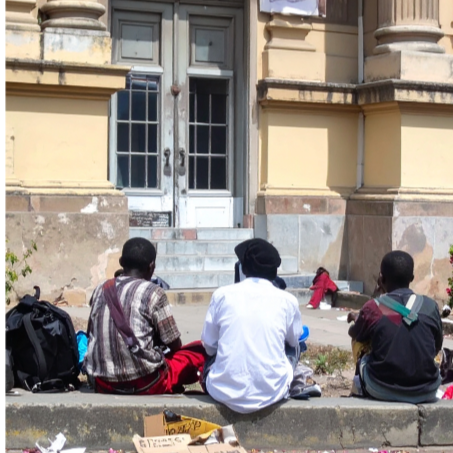
The Advice Stays the Same. The Math Doesn't Work
Then comes the advice: save more, plan better, be more disciplined. This advice is given to people who are already stretched thin. It's like telling someone underwater to swim harder. Rent goes up, costs rise faster than earnings, and the advice never changes, even as things get tougher.
Self-Blame Is the System's Best Defense

Your struggle isn't your fault. It's what happens when you're in a system shaped by history, privilege, and being left out: by who got ahead, who was left behind, and who set the rules. School rarely helps us see this clearly. Instead, most people end up blaming themselves for problems that are built into the system.
Real understanding begins when you see the system for what it is. This isn't about giving up, but about letting go of self-blame for things you couldn't control.
There's a Name for What You're Carrying

Unbroken exists in the space between what people are promised and what they actually go through. We help you process these tough experiences by offering community, resources, and support so you do not have to face these challenges alone. Losing a job isn't just about losing money; it affects your sense of self, your story, and your place in a system that promised merit but rewards something else. Most career support ignores this, offering quick fixes for problems that run much deeper.
Knowing this won't pay your rent, but it might help you breathe a little easier. If you're looking for a way forward, consider reaching out to someone you trust or connecting with others who have faced similar challenges. Sharing your experience, even in a small way, can remind you that you're not alone. Sometimes, a single conversation or message can be the first step toward feeling understood and supported.
Sometimes, taking that first deep breath without blaming yourself is what lets you move forward with new strength. Remember, you are not alone in this. Many Kenyan graduates and young professionals share these struggles, even if they are not often openly discussed. Recognizing that others are walking this path beside you can turn isolation into solidarity, and knowing this can help you face each day with a little more courage.
Frequently Asked Questions
Why do Kenyan graduates and young professionals face distinct pressures after job loss?
The promise of meritocracy hits harder when you've sacrificed more to believe it. Many Kenyan graduates join the workforce after years of discipline, financial hardship, and family expectations. Yet, they often discover that credentials don't translate as the school suggested.
For example, it's common to see job offers filled through family connections, or to spend months working in unpaid internships with little hope of a paid position at the end. Connections, class, and context shape outcomes in ways never explained. The gap between promise and reality causes both financial and emotional stress. It creates a particular exhaustion from working in a system built before you were considered.
What makes Unbroken different from a regular career coaching app?
Most career apps start at the tactics layer: resume formats, interview scripts, job board filters. Unbroken starts earlier, at the neurobiological level, because strategy advice given to a dysregulated nervous system won't stick. The app combines the WHO's Problem Management Plus intervention framework, Kim Paull's Flourish career coaching model, and real-time regulation tools like breathing exercises and emotion check-ins. Unbroken is designed specifically for people facing unexpected job loss. It treats job displacement as a trauma event that needs integrated psychological support alongside practical career guidance.
Why does losing a job feel like so much more than just losing income?
Because it is. Job loss doesn't just empty your bank account. It cuts into your sense of who you are, what you've earned, and where you belong. Research on neurobiological stress responses shows that job loss activates brain chemistry similar to that triggered by other major traumas. Cortisol spikes. The amygdala fires. The prefrontal cortex, responsible for clear thinking, judgment, and decision-making, goes offline. This is why advice to "update your resume" or "network harder" lands so badly. You're being asked to swim while your body is still in freefall. Instead, try one small thing: take a slow, deep breath and count to four as you inhale, then four as you exhale. Repeat this a few times. Even a simple breathing exercise can begin to signal safety to your nervous system and help you regain a small sense of control in the moment.
Is self-blame a normal response to job loss, and how do you stop it?
Yes, and it's the most understandable trap. When a system says hard work equals reward, losing a job seems like a personal failure. But it isn't. Self-blame is the logical end of an incomplete story. That story leaves out structural barriers, hiring bias, economic cycles, and the reality that merit is not the only variable. The first step isn't motivation or a better LinkedIn headline. It's recognizing that the story you were told about the world missed significant chapters. Your job status is not a measure of your worth. Being between roles does not diminish your skills, your character, or what you bring to your community. Hold on to that, even when the world tells a different story.
What should you do first when job loss makes it hard to think clearly?
Stop trying to think your way out before your nervous system has settled. When you're in fight-or-flight mode, the brain isn't built for strategic planning. It's built for survival. The first practical step isn't sending applications. It's a regulation: a breathing exercise, a walk, a conversation with someone who won't offer unsolicited career advice. Collective and shared experiences aren't add-ons to career recovery. They are the foundation it rests on. Unbroken's emotion check-ins and Name-It videos exist for this window, the days and weeks when you know you need to move forward but your body keeps pulling the emergency brake.
Once you feel slightly calmer, try one small, manageable step. This could mean joining a support group—whether online or in your local area—or reaching out to a friend who understands what you are going through. You might choose to set one simple job search goal for the week, such as updating your CV or identifying two companies you'd like to learn more about. Taking these small, focused actions can help you regain momentum, build confidence, and remind you that progress is possible, even when it comes in tiny steps.
